
Metal Expansion With Heat: Understanding How Metals Expand When Heated
By:Admin
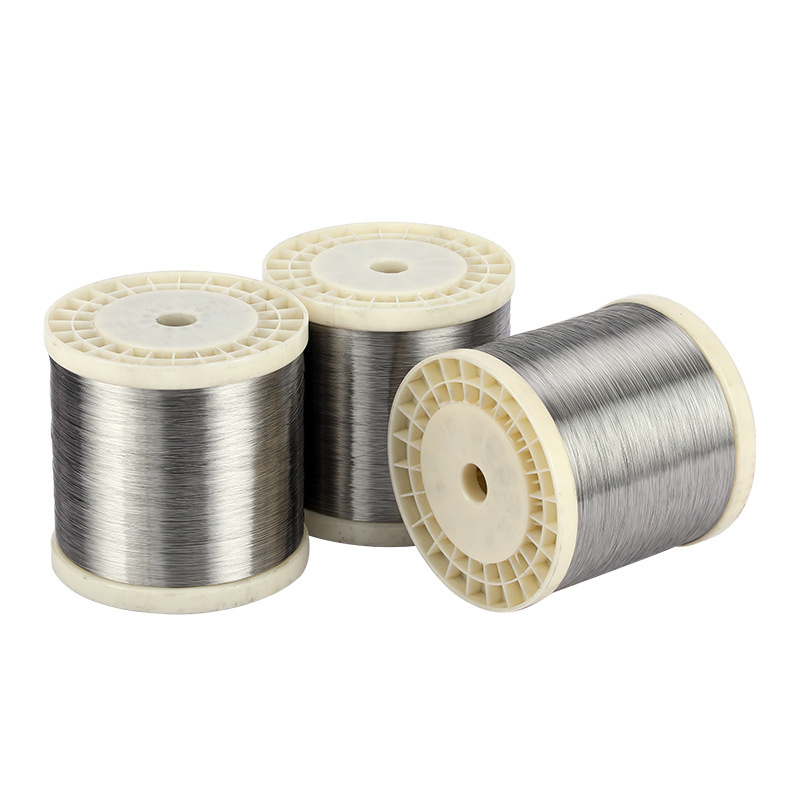
In the evolving landscape of engineering and manufacturing, the phenomenon of metal expansion with heat has long been a subject of both practical application and scientific inquiry. Understanding how metals respond to temperature changes is crucial for designing everything from bridges and buildings to engines and electronic devices. Recent advancements in this field have paved the way for more efficient and resilient structures, highlighting the importance of thermal expansion in material sciences.
### The Science Behind Metal Expansion with Heat
When metals are heated, their atoms begin to vibrate more vigorously, causing the metal to expand. This physical change, known as thermal expansion, occurs because increased kinetic energy at the atomic level forces atoms to move further apart. The degree to which metals expand varies depending on their composition and structure, characterized by a parameter called the coefficient of thermal expansion (CTE).
Metals such as aluminum, copper, and steel have different CTEs, influencing how each material behaves under thermal stress. For example, aluminum typically expands more than steel for the same temperature increase. This characteristic needs to be carefully considered during design and manufacturing stages to ensure structural integrity and functionality.
### Practical Implications in Engineering and Manufacturing
Metal expansion has significant implications for multiple industries. In civil engineering, the expansion and contraction of metals in bridges or railways must be accounted for to prevent structural failures or deformations. Expansion joints and gaps are often incorporated into designs to allow for these thermal changes.
In the automotive and aerospace sectors, metal expansion affects engine components and airframes, which experience wide temperature fluctuations. Engineers must select materials and design elements that accommodate these changes while maintaining performance and safety standards.
Additionally, electronic devices containing metallic components can suffer from thermal expansion-induced stress, leading to mechanical failure or malfunction. Understanding and mitigating these effects is critical in enhancing device longevity and reliability.
### Recent Innovations and Research
Recent developments in material science have led to the engineering of metals and alloys with tailored thermal expansion properties. By manipulating the microstructure or combining different metals, researchers have created composites that exhibit minimal or even negative thermal expansion — materials that contract upon heating.
Such innovations open up new possibilities for precision instruments and delicate assemblies where dimensional stability under temperature variations is paramount. Moreover, advanced simulation tools now allow engineers to predict thermal behavior more accurately, reducing the trial-and-error process in product development.
### Company Overview: A Leader in Thermal Expansion Solutions
{} has established itself at the forefront of this field by combining deep scientific knowledge with innovative engineering solutions. The company specializes in developing metal products and components designed to perform reliably under varying thermal conditions. Their expertise encompasses material selection, thermal analysis, and custom manufacturing processes optimized for specific applications.
Harnessing advanced research and state-of-the-art facilities, {} provides clients across multiple sectors — including transportation, construction, and electronics — with products that endure thermal stresses without compromising quality or safety. The company’s commitment to innovation and precision has earned it a reputation as a trusted partner in addressing the challenges posed by metal expansion with heat.
### Applications and Case Studies
One notable project involved developing specialized expansion joints for a major highway bridge subjected to extreme temperature shifts year-round. By leveraging their knowledge of metal expansion and employing custom-designed alloys, {} delivered a solution that significantly increased the bridge’s durability and reduced maintenance costs.
In the electronics industry, the company designed metallized components with optimized thermal expansion characteristics for high-performance devices. These components maintained structural integrity despite rapid temperature changes during operation, contributing to improved device reliability and lifespan.
### Looking Ahead: The Future of Metal Thermal Expansion Management
As the demand for smarter, more resilient infrastructure and devices continues to grow, the importance of understanding and managing metal expansion with heat becomes ever more critical. Future trends point toward greater use of advanced materials with engineered thermal expansion properties and further integration of digital modeling in design workflows.
{} is well-positioned to drive these advancements, continuing to innovate and provide solutions that meet increasingly complex thermal management challenges. By addressing the underlying science and applying practical engineering expertise, the company helps reshape industries and fosters safer, more efficient technologies.
### Conclusion
Metal expansion with heat remains a fundamental consideration in engineering disciplines worldwide. Thanks to ongoing research and companies like {}, there is now a better grasp of how to control and exploit this phenomenon, leading to safer, more reliable, and more innovative products. As technology progresses, mastering thermal expansion will undoubtedly continue to unlock new frontiers across numerous fields, driving progress and enhancing everyday life.
---
For more information about {} and their cutting-edge solutions in thermal expansion management, visit their website or contact their technical support team.